Is Remote Learning the Future of Public Education?

I love it when we have these types of conversations — the debates about what ‘works’ and what ‘doesn’t work’. It’s these types of dialogue that help us move forward in our thinking and plans to make education even better. This one discussion about remote learning is particularly interesting during the COVID-19 pandemic — and gaining in some frequency — as we have found some system success along with some real challenges.

  • Is remote learning the future for public education?
  • Has the pandemic showed us a better way to teach and learn?
  • Have we seen the utopian light?

As with most topics in education, one often hears opposing arguments — and there’s certainly no exception with remote learning. There are some pretty strong opinions being generated:

“Remote learning is fantastic. My child is able to focus on their own schedule and terms without the distractions at school.”

“Remote learning is terrible. There is no meaningful social interaction with their peers or teachers. Motivation is difficult and they can’t stay focused on their computers”.

Each opinion is sometimes accompanied by articles or media posts supporting the perspective

(More on Page 2)
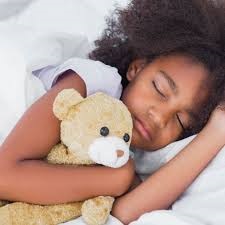
The Importance of Sleep – Some New Research

As we head into the doldrums of the long, dark days of January I thought I’d write about the importance of sleep. We know that sleep is important and that we could all likely use more of it. However, here are some points that are worth noting again. An article from Nov 2019 lists the Top 10 Reasons for getting a good night’s sleep:

  1. Sleep keeps your heart healthy
  2. Sleep may help prevent some cancers
  3. Sleep reduces stress
  4. Sleep reduces inflamation
  5. Sleep makes you more alert
  6. Sleep improves your memory
  7. Sleep may help you lose weight
  8. Napping makes you smarter (THIS one I really like!)
  9. Sleep may help you reduce your risk of depression
  10. Sleep helps your body repair itself

(More on page 2)

‘Tis the Season for Hope

There’s a certain peacefulness to the holiday season. I love this time of year.

For me, it’s one where I slow my pulse rate enough so I can see and hear the beauty that surrounds us — the twinkling lights that adorn our homes and offices, the peaceful music that fills our main streets, and perhaps even a gentle snowfall that blankets our landscape creating a certain stillness.

I have fond memories of all of these things from my childhood to the present. The holiday season rejuvenates me.

But, this year feels different. Very different.

The sense in our community is one of angst — of heightened anxiety instead of peacefulness. COVID-19 has a way of doing that. It certainly makes sense. We are living in an unpredictable world. Despite all of the prognostications and charts, tomorrow is uncertain and brings a sense of apprehension.

And yet, I continue to believe in our future. I believe in the power of HOPE — the importance of looking towards a brighter tomorrow. Our collective future is built on hope.

It’s what drives us in education — the belief that our efforts will result in a better tomorrow — where our students are taught to be solution finders, creators and innovators. Every meeting we have, every decision we make is focused on building capacity and resilience in our students. What we’re really instilling in them is HOPE. Hope builds belief in oneself and others. It builds character, self-worth and inspiration.

Hope is critical. Hope is essential.

(more on page 2)