The Power of Kindness Over Niceness

There is a constant tension in leadership. There are moments in every leader’s journey when we’re faced with a choice — Do we say the hard thing, or do we stay silent to keep the peace?

It’s tempting to choose what appears to be the ‘easier’ route. After all, we’re in the business of nurturing, supporting, and building community — ‘rocking the boat’ would appear to be the opposite of that. And, we all want to be viewed as nice.

But the truth is — being ‘nice‘ isn’t the same as being ‘kind‘.

Let me explain.

As leaders, we can confuse niceness with goodness. We all desire to be ‘good’, and to do that we can also think we just need to be ‘nice’ all the time. We avoid the difficult conversations because we don’t want to hurt feelings or be seen as harsh.

But niceness, when it avoids the truth, can erode the trust we need as an organization. Kindness, on the other hand, is rooted in respect which can build and strengthen trust. It’s the courage to speak honestly, even when it’s uncomfortable — because we care enough to want better for each other and for our organization.

Being a kind leader means holding people accountable with compassion. It means addressing the colleague who consistently misses deadlines, not to shame them, but to support their growth. It means naming the tension in a meeting, not to create conflict, but to clear the air and move forward with integrity. And, it may sometimes mean making a difficult decision.

Over my 37 years in public education, I’ve learned that the most honouring thing we can do for our staff is to be clear and consistent. Clarity is kindness. When we avoid the awkward conversation — the hard conversation — we leave people guessing. We create a culture of uncertainty, where assumptions fill the silence. But, when we speak with honesty and empathy, when we work to address the issues, we build a workplace where people feel seen, respected, and safe.

Speaking with honesty doesn’t mean we abandon warmth or empathy.

Quite the opposite. Kindness is deeply relational.

Kindness in Leadership: The practice of demonstrating empathy, compassion and consideration even when making difficult decisions. Kindness in leadership is not about being weak or compromising standards, but rather about balancing firmness with care, and understanding. 

Kindness is about showing up with humanity, even when the message is hard. It’s about saying, “I believe in you enough to have this conversation”.

In our schools, we talk about modeling the culture we want to see in our students. If we want them to grow into courageous, respectful and engaged citizens, we must show them what that looks like in adult relationships. This starts with us — leaders who are willing to be kind, not just nice — leaders who have the hard conversations because it’s not only the right thing to do, but also the kind and respectful thing to do.

So, the next time you hesitate before a tough conversation, ask yourself this question: ‘Am I avoiding this to be liked, or am I leading with kindness and respect?

Kindness isn’t always comfortable — but it’s always worth it. It’s always the correct path.

Building an organizational culture where truth and care walk hand-in-hand is what makes us stronger and on our desired trajectory — to grow and get better. It’s a leadership journey where we realize that feedback is a gift, not a threat — where we honour each other enough to be real.

Because in the end … kindness builds trust. And trust builds everything else.
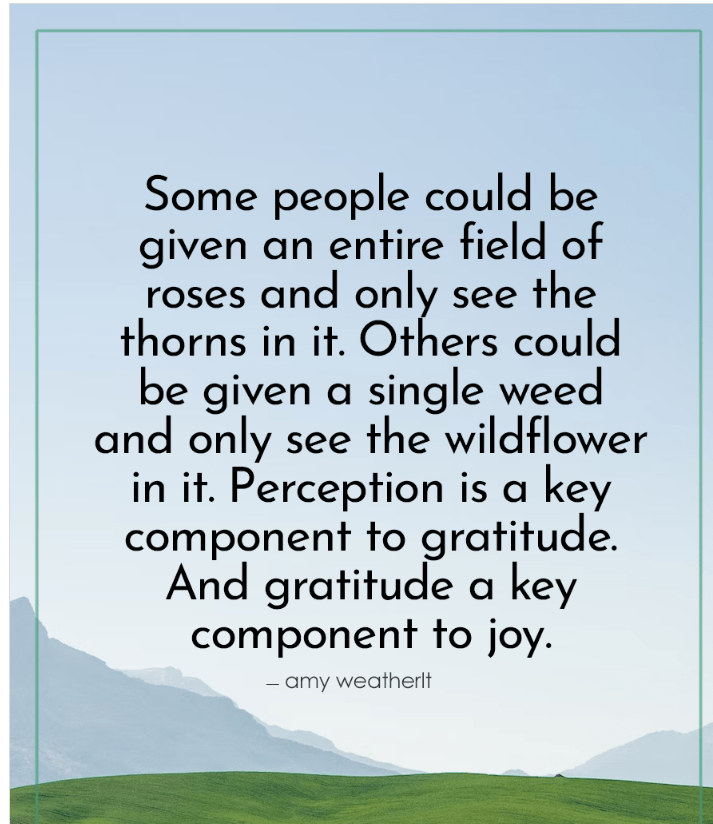
The Critical Need For Gratitude

There’s too much anger and finger-pointing in our world — so much blaming of others — especially these days.

Some people and communities are definitely more fortunate than others — I have many things that others do not.

If we all took a bit more time to practice gratitude — for both the big and little things — I’m pretty sure our world would be a better place.

That’s all.

Political and Social Changes: Leading in Unpredictable Times

If you had asked me even 2 years ago if the world’s political and social climate would have been this unpredictable, I’m confident my answer would not be the same as it is today. From our recent BC provincial election, to the recent change in the American presidency, and a possible significant change at the Canadian federal level as well, our political and social realities are undergoing massive upheavals.

There is a bubbling social undercurrent where voices of intolerance, accusation, and finger pointing are becoming more noticeable.

Building an Effective Team Should be Critical for Every Leader

How do educational leaders continue their important, collaborative work of building an inclusive, welcoming and engaging environment during this time of uncertainty?

Authenticity … the substance of effective leadership.

Being authentic is a critical component of creating an environment where everyone feels important — where trust flourishes and people grow. Leaders need to focus on their authenticity more than ever at this critical time of change.

But what exactly makes authenticity so vital in leadership, and what must leaders do to achieve it?

Authentic leadership is rooted in self-awareness, transparency, and a strong ethical foundation. Leaders who are authentic stay true to their values and communicate openly with their teams. This transparency builds the trust which is critical for employees to feel that they are engaging with a real person rather than a façade or a simply another person with a title.

Higher levels of employee satisfaction, personal productivity and collaboration can be the result. When employees trust their leaders, they feel more secure in their roles and are more committed to their work — they feel valued and respected. High-trust companies report significantly lower stress levels, higher energy at work, and greater overall satisfaction (“Authentic Leadership: What it is and Why it’s important”, Harvard Business School, Dec 2019).

Transparency

One of the key ways authentic leadership fosters trust is through transparent communication — both from the leader themselves but also from the organization as a whole. Leaders who are open about their decisions, challenges and successes create a culture of honesty and integrity. This openness not only builds trust but also encourages employees to be more forthcoming with their own ideas and concerns. As a result, the organization becomes more collaborative and innovative.

Empathy Builds Connections

Empathy

Leaders who genuinely care about their employees’ well-being and development are more likely to earn this critical trust and loyalty. Empathy involves understanding and addressing the needs and concerns of employees, which in turn fosters a supportive and inclusive work environment.

Self-awareness

To cultivate authenticity, leaders must first develop self-awareness — understanding their own strengths, weaknesses, values, and motivations. Self-aware leaders are better equipped to lead with integrity and make decisions that align with their core values, which in turn suggests they are more likely to be confident, purposeful, and value-driven.

Vulnerability

Being Vulnerable with Your Team Can Help Build Trust

Another strategy for cultivating authenticity is to practice vulnerability. Leaders who are willing to admit their mistakes and learn from them demonstrate humility and openness. This vulnerability can help to build trust, as employees see their leaders as relatable and human.

Consistency

Leaders must consistently act in ways that reflect their values and principles. This helps to build credibility, as employees know what to expect from their leaders and can rely on them to act with integrity. Consistent behavior, especially during the difficult times, reinforces the trust that has been built through transparent communication and empathetic leadership.

Strong Relationships

Finally, authentic leaders focus on building strong relationships. This involves taking the time to understand each team member’s unique strengths, challenges, and aspirations. By fostering these relationships, leaders can create a sense of unity and shared purpose within the organization. This approach not only builds trust but also enhances team cohesion and performance.

This is The Way

This is The Way

We are in a time of tumultuous political and social change — a time when strong, effective leadership is even more critical.

The effective leader understands that now, more than ever, being authentic and trusted is the way to improvement. By being self-aware, transparent, empathetic, and consistent, we cultivate an environment where employees feel valued, respected, and motivated — key requirements for an engaged work force and a thriving educational environment.