Seasonal Traditions – At Home and at School

Last year at about this same time, I wrote a blog post about the importance of hope and light in many cultures around the world (‘Tis the Season for Hope). This year, I want to continue along that theme and discuss the importance of traditions or rituals at this time of year. Things like festive music, seasonal food and decorations make this time of year truly sparkle.

In education, we also have traditions at this time — Report cards and Parent-teacher Interviews come to mind.

I know, I know, I know — WOW! We really know how to capture that festive spirit!

Elf on a Shelf

Actually, I was in a couple of schools recently and they already have some decorations up for the season. The mood was festive, fun and happy. One little girl was so excited to tell me about the Elf-on-the-Shelf that just showed up in her classroom — “It’s magic. She just appeared out of no where!” Seeing that pure joy reminded me that traditions are so critical to that sense of belonging.

(More on Page 2)

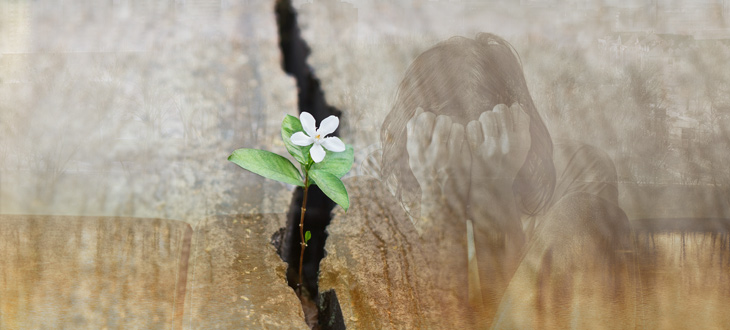
The Survival Brain – Let’s Talk About Trauma

This post is about TRAUMA and how it affects us – all of us — whether we’ve experienced it ourselves or we know someone who has lived it.

I am by no means an expert on the topic, but as I have done dozens of times in my blog, I search out those who are expert and lean on their wisdom. The topic of trauma resonates with me — as a lived experience within my family, as a district leader, but more importantly, simply as a human being who is seeking to understand others and what they may be experiencing.

TRAUMA is often misunderstood — and sometimes not even considered as the possible underpinnings of a child’s behaviour. In education, we continue to explore trauma, how it can affect the classroom experience, and how we respond to it. We refer to this reflection and action as Trauma Informed Practice.

The Effects of Trauma can be Significant

I am hoping that today’s information might make you pause and reflect on an observed behavior that seems odd or misplaced — that you might instead take the path of seeking understanding.

The reality is that trauma affects all of us at some point in our lives — whether we’ve experienced it or seen it in others. When it does happen — how it affects us today and how it may affect us tomorrow can be different. This is another reminder to me that, as educators of children who may have experienced trauma, we need to remember that there is always a story behind the behaviour — whether it is trauma based or not.

So, when we see something that does not appear to fit, let’s pause and ask ourselves some questions:

  • Why do their actions seem out of step within the present context?
  • Why do they appear elevated / withdrawn / emotional / quiet / angry / sad?
  • Is there something I am doing that may be contributing to their current expression?
  • Am I being aware and present to the possibility that at this moment they may be having emotional responses grounded in traumatic experiences?

(More on Page 2)

Gender Differences in Learning

I remember my post from a couple of years ago where I placed a disclaimer at the beginning asking for people to NOT email me with ‘the exception that disproves the rule’. The post was published in Dec 2019 (Teenager Emotions – Some Intriguing Research) and talked about how teenagers processed their emotions differently than younger children and most adults. Yes, we could always find an exception to the general findings — people are complex like that — but, that does not mean that a general relationship or trend isn’t evident.

I feel like I should probably start out this blog post with the same request.

I’m going to be talking about some research suggesting there are differences between how boys and girls learn. So, to qualify things before I receive comments or concerns, I am not saying that EVERY child will fall into this binary description. Children are diverse like the rest of our population and do not automatically fit into stereotyped boxes of ‘boys’ or ‘girls’. Even suggesting that there is this binary world of only two genders does not fully acknowledge the spectrum of gender identity in our world.

The messages I want to share with you today are meant to provoke thought about how CHILDREN learn differently. Feel free to even take the terms ‘boys’ and ‘girls’ away and think about them as ‘differences amongst children’.

(More on Page 2)