Autumn is the season of cooler weather, crisp leaves on the ground and corn on the cob — all worth looking forward to for sure. But, for me and others in public education, September is also our New Year. It’s a time of starting again, the excitement of seeing the kids back in classrooms, maybe some fun new equipment in the school and the optimism of tackling new challenges with some energy in one’s personal tank.
It’s really a great time of year.
As I enter my 34th year in public education that excitement is still there — freshly polished floors, big ideas on our learning agenda and a bunch of exciting new projects to tackle.
Yet, similar to last fall there is still a feeling of anxiety amongst many in our community. COVID continues to provide a significant distraction for many and a challenge for us as we focus on teaching and learning.
Today I am sharing with you a post that I wrote almost 4 years ago. It was the third post I ever wrote, and my first one on any specific content — the first two were about why I was blogging. My third post was titled “Residential Schools – We Can Remember by Wearing Orange”.
On that date of Sept 25, 2017 I wrote about my personal journey into understanding residential school history. Amongst the things I talked about was my ignorance in understanding about the entire residential school period.
This past weekend I read my post again. What I said almost 4 years ago still rang true for me today — we have a long journey ahead of us before we even come close to true Reconciliation over the atrocities committed by Canada during its history with residential schools.
But, what was different for me today was the inadequacy of the title of my 2017 post. We have an obligation to do more than just remember the residential school period. We all have a moral obligation to be active in moving towards true Reconciliation.
Remembering isn’t good enough.
Residential schools were formed after the passing of the Indian Act in 1876. Their primary purpose was to remove Indigenous children from their families and, thus, remove any vestiges of their culture and language. Former Supreme Court Chief Justice Beverley McLachlin referred to the treatment of Indigenous citizens as cultural genocide.
“The most glaring blemish on the Canadian historic record relates to our treatment of the First Nations that lived here at the time of colonization.”
Beverly McLachlin
Tears For The Children– In Recognition of the 215 children identified at the former Kamloops Residential School site Used with permission from Haida artist Shelly Samuels
Last week 215 children were identified in a mass grave just outside of Kamloops at a former residential school — one of the largest such schools that was ever operated. These unmarked graves represent a stark example of the atrocities committed by a nation against Indigenous children and their families.
There is no hiding from this past — no explanation that makes it less painful for those intimately affected by its existence — no excuses — period.
Today, I am choosing to repost my blog from Sept 2017 — the facts have not changed, but the need to understand and act is even clearer for me today.
This time I am asking you to do more than just remember or reflect on the horrible acts from the past — instead, I am asking you to make a point of making a contribution in moving forward towards TRUE Reconciliation with Indigenous peoples across this country.
So, read the blog again and make sure that you watch the embedded videos that help tell the horrible story of this shameful national past. Here is the post:
Become KNOWLEDGEABLE about the history of residential schools
BUILD AWARENESS IN OTHERS about this horrible national atrocity
ACT in ways that SHARE THE TRUTH as well as BUILD PATHWAYS TOWARDS REAL RECONCILIATION for all Indigenous peoples in Canada.
As a country and as its citizens we own it. And, because of that we all have a moral obligation to do something about it — where past injustices are recognized, acknowledged and truly acted upon.
I started this blog post way back in 2018 but didn’t finish it as I couldn’t seem to get ‘lift off’. I had written about 100 words and then stalled. I kept going back to it — I’d add a little and then delete it. I wasn’t going anywhere with it. I almost deleted the entire thing but decided to keep it in my ‘drafts’ and ignore it for awhile. There it sat for almost 2 1/2 years.
And then I opened it back up in early 2021.
A blog by George Couros had originally piqued my curiosity on the topic of The Adaptable Mind. I watched the video again and this time something clicked — funny how that works — a new context, a new time and you can sometimes find success when it eluded you in the past. An important life lesson in itself for all of us.
The 2021 context of living in a pandemic may have actually helped me personalize the ideas to make the topic my own.
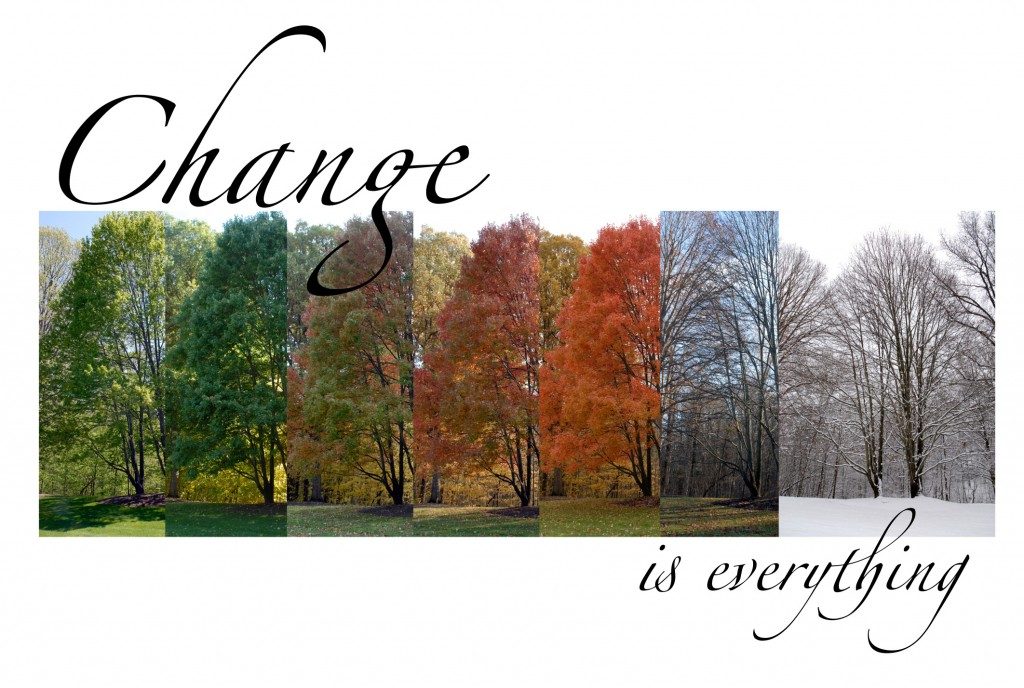
As we work creatively to find new ways of making education in a pandemic more meaningful and relevant, the idea of focusing on flexible thinking makes perfect sense.
ADAPTABILITY will only make our students more successful during this wild time of uncertainty and change.


 The Power of Why