Every September Begins with Hope

Every September, students return to school.

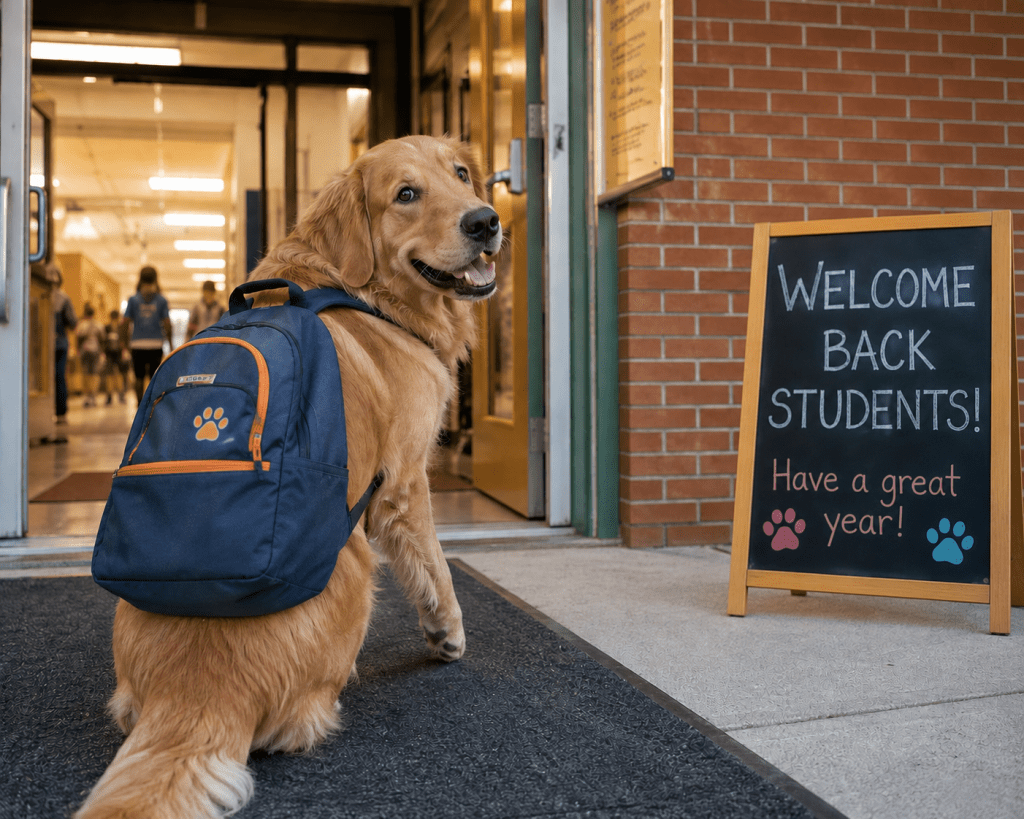
They arrive with backpacks slung over their shoulders, some fresh supplies, and often a mixture of excitement, curiosity, and nervous energy. They reconnect with friends they haven’t seen all summer. They meet new teachers. They wonder what the year ahead might hold.

Of course, there are practical reasons why students return. School is mandatory. Their friends are there. There are new things to learn and new experiences to be had.

All of that is true.

But it runs deeper than that. Every school year begins with a quiet act of hope.

The doors open. Hallways fill. Shoes squeak across polished floors. Someone is finishing breakfast in the parking lot. Another student is already laughing with a friend before the bell rings. A teacher stands at the classroom door, greeting students one by one, communicating something far more important than the day’s lesson:

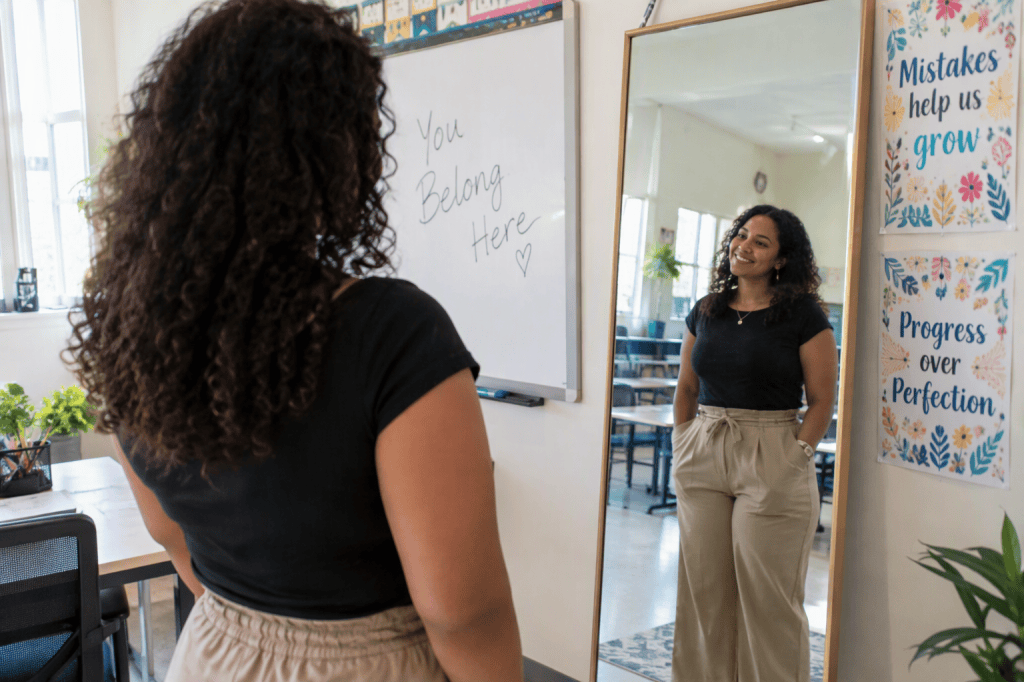
“I see you. You belong here.”

At its best, that simple message is one of the most powerful forces in public education.

And yet, across British Columbia, throughout Canada, and around the world, we are seeing growing concerns about student absenteeism. More students are missing school than in previous years, and educators, families, and researchers are paying close attention. While attendance data tells part of the story, it does not tell us everything.

Because attendance is rarely just about attendance.

Sometimes an empty desk represents illness — sometimes anxiety — sometimes a student who feels overwhelmed and has fallen behind — sometimes it is a young person carrying challenges that remain unseen by those around them.

The reality is that absenteeism is often complex, layered, and deeply connected to issues of well-being, engagement, and belonging.

That is why I believe we need to ask a different question.

Not simply: “How do we get students to come to school?”

But rather: “What makes school a place they want to return to?”

The answer begins with belonging.

Belonging is not a slogan displayed on a wall or a statement inside a strategic plan. It is built through hundreds of small moments every day:

  • It is the teacher who notices when a student seems quieter than usual.
  • The educational assistant who helps a child regain a sense of calm before frustration turns into crisis.
  • The principal who knows students by name.
  • The classmate who saves a seat at lunch.
  • The counsellor, Elder, or other adult who reminds a young person that who they are matters.

These moments may seem small in isolation, but collectively they create something powerful. They create connection.

I have written before that before we teach content, we teach belonging.

The research continues to affirm what educators have long understood through experience. Students who feel connected to their schools are more engaged in learning, more resilient when facing challenges, and more likely to thrive academically, socially, and emotionally.

There is an important leadership lesson in this as well.

When school systems face increasing pressures, from staffing shortages and growing student needs to rapidly changing expectations, it is easy to focus primarily on technical solutions — better tracking systems; improved intervention protocols; stronger monitoring of attendance patterns.

These things matter. But they are not enough on their own.

Students return to places where they feel known. That truth sits at the heart of public education’s purpose.

Schools do not exist simply to deliver curriculum. They exist to help young people discover who they are and who they might become. They create spaces where students grow intellectually, socially, emotionally, and ethically.

When students are frequently absent, that work becomes more challenging. But it also becomes more important.

Chronic absenteeism is not simply a data problem to solve. It is a signal inviting us to pay closer attention.

  • Who is struggling?
  • Who is quietly drifting to the margins?
  • Who feels disconnected?
  • And what might we do differently to help them reconnect?

Of course, schools cannot solve every challenge confronting young people and families today. The pressures facing communities are real, and many extend far beyond the schoolhouse doors.

But schools can still serve as one of the most powerful protective forces in a young person’s life. When life feels uncertain, school can provide stability. When the world feels disconnected, school can create community. When young people begin to doubt themselves, school can remind them that they matter.

So as another school year begins, perhaps the most important question is not: “Who is here today?”

Perhaps the better question is: “What happened here recently that would make a student want to return tomorrow?”

  • Did they feel successful?
  • Did they feel seen?
  • Did they laugh?
  • Did someone make room for their voice?

Those are not soft questions — they are foundational ones.

Because every classroom begins long before the bell rings. It begins with connection. It begins with relationships. It begins with the daily commitment to create schools where students do not simply attend but truly belong.

And when students belong, they come back.

My Reflections from 2025-2026

June is a great month — a time when we celebrate student successes. It is also a great time of reflection — not just on what we did, but on why it mattered.

A Year of Reflections

As usual, the school year has been busy — full of change, full of momentum, and, as always, full of people doing great work on behalf of students. As I look back — both on the year and on the blog posts that helped me process it — a few themes rise to the surface.

Leading With Our “Why”

If there’s a thread that continues to run through everything I write, it’s this idea of why.

Throughout the year — from late summer planning to mid-year check-ins to my spring reflections — I found myself returning to the same reality — public education is about people creating the conditions where students feel connected, supported, and challenged.

Many of my posts this year explored the why of public education — the purpose of what we do. And when things felt complex — which they often do — remembering to come back to our why helped to ground the conversations.

Because when we’re clear on why we exist as a system, decision-making becomes a little less noisy and a lot more focused.

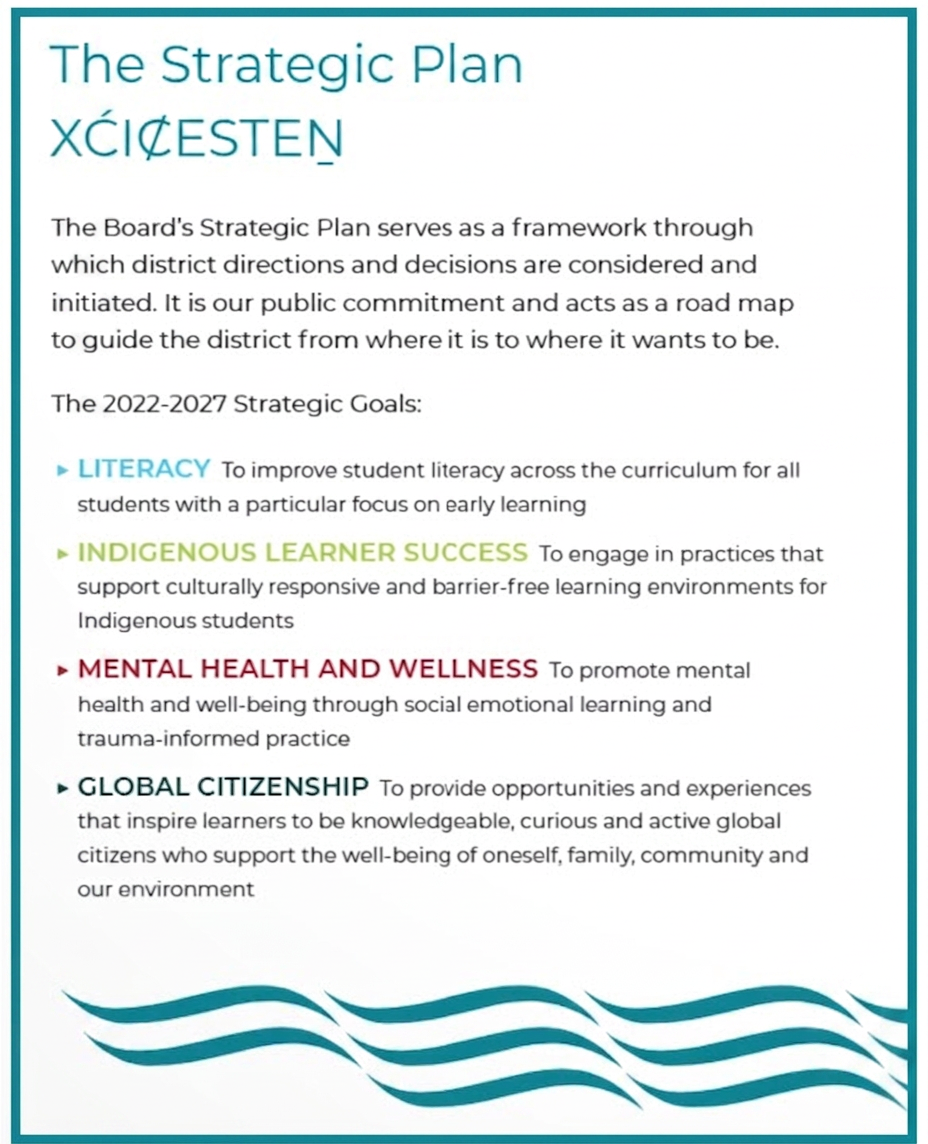
The 2022-2027 Strategic Plan: Progress You Can Feel

The Board of Education’s 2022–2027 Strategic Plan is the big why for the District, as it continues to shape the direction we take as a system — but more importantly, it’s also shaping day-to-day experiences in our classrooms.

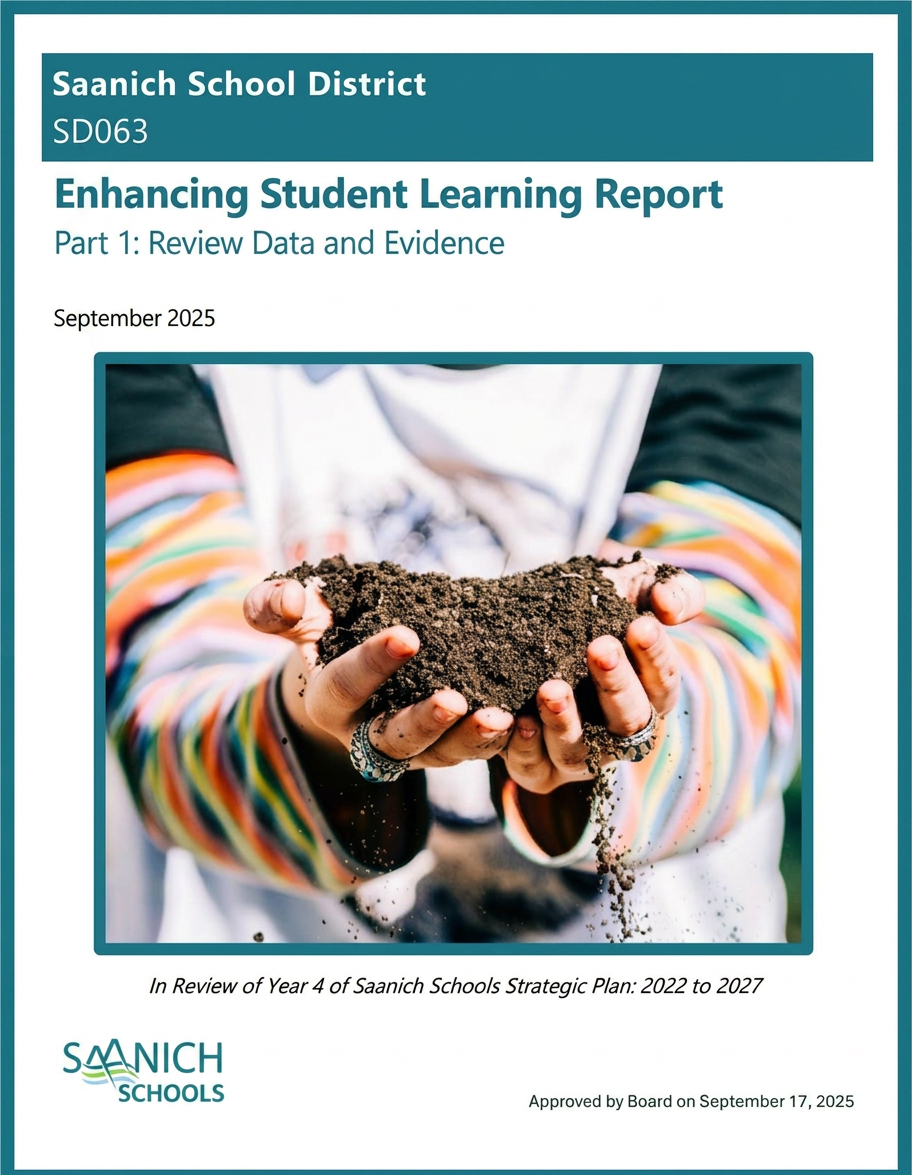
We check on our success against the plan in our annual Enhancing Student Learning Report which gives us a meaningful opportunity to step back and ask: Are we making a difference?

What stood out wasn’t just the data — although there are encouraging signs there — it was the story behind it:

  • Increasing attention to student voice and belonging
  • Ongoing work to support Indigenous learners and embed local ways of knowing
  • A continued focus on literacy and inclusive practices
  • A growing recognition that personal well-being and learning are deeply connected

Progress in education is rarely linear, and it’s never fast enough for those of us working inside it. But there is something powerful happening when you start to see alignment — when classroom, school, and district priorities move in synergy.

This year is one of those moments.

The Reality of AI… and the Case for Being Human

It would be impossible to reflect on this school year without acknowledging one of the biggest shifts we’re seeing– the rapid emergence of Artificial Intelligence. AI is now part of our landscape — in classrooms as well as in the district office.

Our position on AI in Saanich Schools has been articulated in our Framework for Artificial Intelligence. We’ve taken a stance that’s grounded and realistic.

We’re not ignoring it. We’re not fearing it. We’re learning alongside it.

Human Intelligence is the Point

But at the same time, I’ve been thinking a lot about what this means for education. AI might be everywhere — but Human Intelligence is the point. Because the future isn’t going to reward students for simply having answers. AI already does that. The future belongs to those who can:

  • Ask thoughtful questions
  • Think critically
  • Show empathy
  • Collaborate meaningfully
  • Make sense of complexity

In other words, the future belongs to people who are deeply human. And so, as much as we continue to look at how AI might integrate into learning, we’re also doubling down on the things that make education irreplaceable — relationships, curiosity, and connection.

The Power of Relationships

If there’s one thing that continues to stand out across our schools, it’s this: relationships are still the most powerful driver of learning.

Throughout the year, I had the opportunity to see this in action — in classrooms, hallways, meetings, and community spaces.

  • A teacher taking the time to check in with a student who’s struggling.
  • A team collaborating to support a learner in a more inclusive way.
  • A school creating space for student voice to genuinely influence decisions.

These aren’t new ideas. But in a world that increasingly values efficiency, they are more important than ever. And they showed up again and again in the stories I found myself writing about this year. Because no matter how much education evolves, the human connection at the center of it doesn’t change.

Heading Into Summer … and What Comes Next

As we close out the 2025–2026 school year, there’s a lot to be proud of — but also a recognition that the work continues.

Education doesn’t really have a finish line. It evolves. It adapts. It responds to the world around it. And right now, our world is moving quickly. But if there’s one thing I’m confident in, it’s this — we have people across Saanich Schools who are committed to doing this work thoughtfully, collaboratively, and with purpose.

So as we head into summer, my hope is that everyone finds a bit of time to rest and recharge — but also to reflect. Not just on what we accomplished, but on why it matters. Because when September comes that clarity of purpose will matter more than ever.

Thanks for reading along this year — for being part of my thinking and the conversation.

Wishing everyone a wonderful summer break …

The First Lesson is the Most Important One

Before we teach content, we teach belonging — about the importance of children seeing themselves reflected in relationships, culture and words in our schools. Every September when students arrive — some for the first time, some returning for their 13th year — we ask ourselves a question:

Do students feel like they belong?

The research is clear — when students experience belonging — engagement rises, absenteeism falls, and achievement nudges ahead. Studies show that while a school district can help shape the overall sense of community, it is the adults who have daily contact with students that make them feel like they belong. And it is mostly teachers who provide those personal conditions necessary for the positive feelings of belonging at school.

Teachers make it all work.

It Begins in Kindergarten

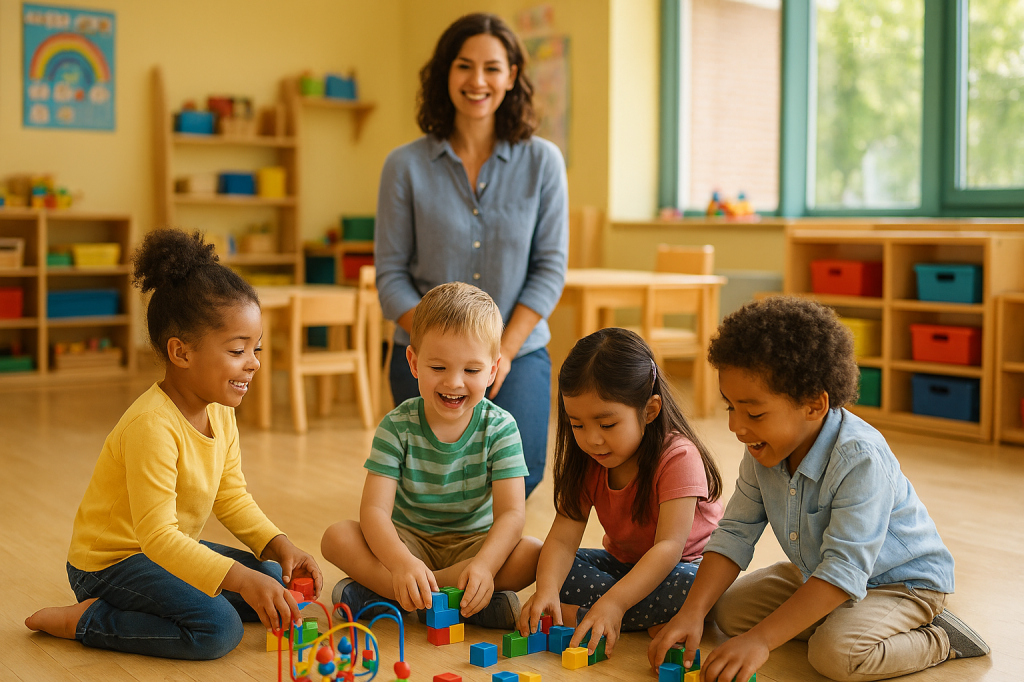
Kindergarten — that place where the magic begins. One of the early lessons for our newest students is also one of the most important — and our newest students learn the lesson through their play:

How do we interact with others? How do we learn to accept our differences and celebrate our uniqueness? How do we see our worth and value?

It begins by finding ways to honour all people — including those who have been here on this land for thousands of years. For me as Superintendent, the work we do on understanding and incorporating Indigenous ways of knowing is paramount to the mission we have in public education. The local W̱SÁNEĆ First Nation community has a fabulously rich culture, language and traditions that helps our district to ground our work — from Indigenizing the curriculum, building cultural competencies in our staff, introducing all K-students to the local language, and most importantly, building understanding, belonging and trust on a daily basis.

The Land, The History, The Ways of Being

In Saanich, teaching about belonging often begins with teaching about place — about the ancestral territory of the W̱SÁNEĆ people — stewards of these lands and waters since time immemorial. We are fortunate to have a strong, respectful and collaborative working relationship with the local First Nation which builds a broad community understanding about the history and culture of those who have been here for thousands of years. We are helping to reinvigorate the local and unique SENĆOŦEN language — from district‑wide Kindergarten lessons to programs at a number of our schools. School‑based Indigenous Education teachers support cultural and academic learning, and this past year, community partners celebrated a new, locally developed, district course on W̱SÁNEĆ culture and history — born from student voice and designed with significant contributions from local elders and knowledge keepers.

We also learn through story on the land — using local W̱SÁNEĆ stories and place‑based learning to strengthen oral language and connection. The Indigenous Education page on our district website is filled with links to a wide variety of items including local art that can be loaned, learning resource kits, online virtual resources and a host of other items that provide a rich fabric of opportunities to truly embed Indigenous ways of knowing and being into classroom lessons. The monthly Indigenous Education bulletin highlights new and timely resources for teachers at all levels and subject areas in our system.

Celebrating the History and Contributions of Indigenous Peoples Across Canada

Belonging Isn’t a Program

Belonging isn’t a program or a class — it’s a practice. When we know names, notice strengths, honour identities, and communicate clearly, students show up with courage, engagement and excitement.

And, when we recognize the people who have been here for thousands of years, we help build a community that is respectful and inclusive.

We build belonging.

Happy National Indigenous History Month everyone!