Before we teach content, we teach belonging — about the importance of children seeing themselves reflected in relationships, culture and words in our schools. Every September when students arrive — some for the first time, some returning for their 13th year — we ask ourselves a question:
Do students feel like they belong?
The research is clear — when students experience belonging — engagement rises, absenteeism falls, and achievement nudges ahead. Studies show that while a school district can help shape the overall sense of community, it is the adults who have daily contact with students that make them feel like they belong. And it is mostly teachers who provide those personal conditions necessary for the positive feelings of belonging at school.
Teachers make it all work.
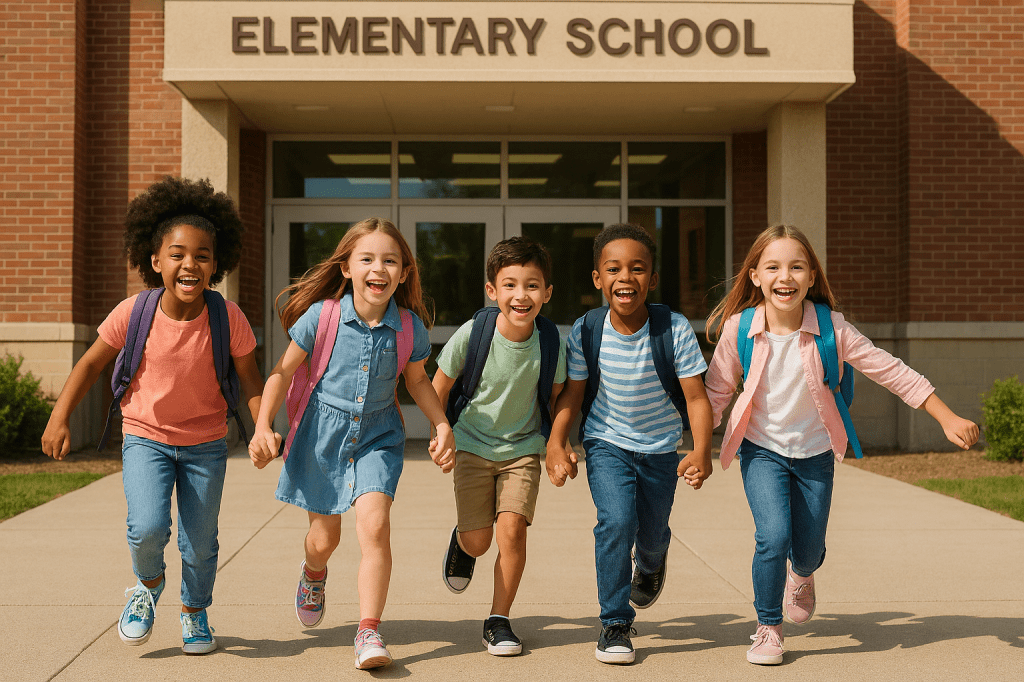
It Begins in Kindergarten
Kindergarten — that place where the magic begins. One of the early lessons for our newest students is also one of the most important — and our newest students learn the lesson through their play:
How do we interact with others? How do we learn to accept our differences and celebrate our uniqueness? How do we see our worth and value?
It begins by finding ways to honour all people — including those who have been here on this land for thousands of years. For me as Superintendent, the work we do on understanding and incorporating Indigenous ways of knowing is paramount to the mission we have in public education. The local W̱SÁNEĆ First Nation community has a fabulously rich culture, language and traditions that helps our district to ground our work — from Indigenizing the curriculum, building cultural competencies in our staff, introducing all K-students to the local language, and most importantly, building understanding, belonging and trust on a daily basis.
The Land, The History, The Ways of Being
In Saanich, teaching about belonging often begins with teaching about place — about the ancestral territory of the W̱SÁNEĆ people — stewards of these lands and waters since time immemorial. We are fortunate to have a strong, respectful and collaborative working relationship with the local First Nation which builds a broad community understanding about the history and culture of those who have been here for thousands of years. We are helping to reinvigorate the local and unique SENĆOŦEN language — from district‑wide Kindergarten lessons to programs at a number of our schools. School‑based Indigenous Education teachers support cultural and academic learning, and this past year, community partners celebrated a new, locally developed, district course on W̱SÁNEĆ culture and history — born from student voice and designed with significant contributions from local elders and knowledge keepers.
We also learn through story on the land — using local W̱SÁNEĆ stories and place‑based learning to strengthen oral language and connection. The Indigenous Education page on our district website is filled with links to a wide variety of items including local art that can be loaned, learning resource kits, online virtual resources and a host of other items that provide a rich fabric of opportunities to truly embed Indigenous ways of knowing and being into classroom lessons. The monthly Indigenous Education bulletin highlights new and timely resources for teachers at all levels and subject areas in our system.

Belonging Isn’t a Program
Belonging isn’t a program or a class — it’s a practice. When we know names, notice strengths, honour identities, and communicate clearly, students show up with courage, engagement and excitement.
And, when we recognize the people who have been here for thousands of years, we help build a community that is respectful and inclusive.
We build belonging.
Happy National Indigenous History Month everyone!


Thank you for leading this aspect of the school community. In contrast with some experience in other school districts, we have found that our student has been accepted for who he is along with individual strengths and areas for growth. Individual “quirks” have been accepted and not cause for comment. The climate of acceptance and belonging is evident in the way uniqueness is treated as normal, both by staff and by other students.
LikeLike
Thank you so much for sharing your story and your experience of inclusion here in Saanich. While I know that there is always room for improvement, I appreciate hearing that your student has had a positive experience of acceptance and welcoming in our schools.
LikeLike