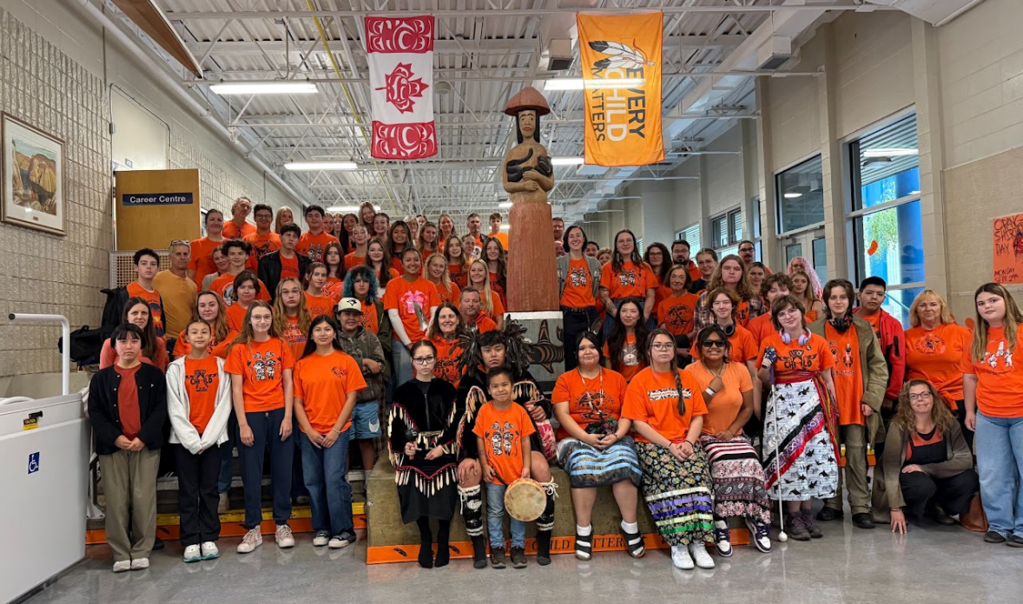
As another National Day for Truth and Reconciliation approaches, I find myself reflecting on a simple but important question:
What is the role of public education in the journey towards Reconciliation?
For me, the answer is both straightforward and challenging.
Public education has a responsibility to tell the truth. Not a convenient version of the truth. Not a simplified version. The truth.
That means helping students understand the history of residential schools, the impacts of colonization, the intergenerational experiences of Indigenous Peoples, and the lasting effects that continue to be felt in communities across Canada today. The Truth and Reconciliation Commission was clear in its Calls to Action that education must play a central role in reconciliation.
Calls to Action 62 through 65 specifically emphasize the importance of age-appropriate learning about residential schools, Treaties, Indigenous histories, contemporary realities, and the contributions of First Nations, Métis, and Inuit peoples. They recognize that learning the truth is not optional work. It is essential work for all of us in K-12 education.
But education cannot stop at truth alone.
Truth matters because it creates the possibility for something greater:
- It creates the possibility for understanding,
- For empathy,
- For healing,
- And ultimately, for Reconciliation.
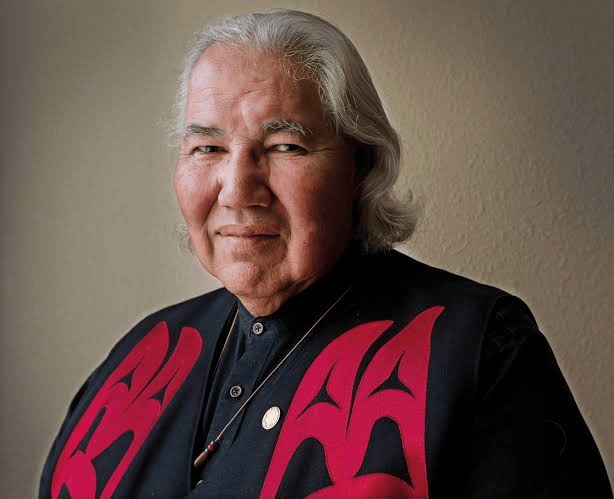
As Justice Murray Sinclair reminded us, Reconciliation is not an Indigenous problem. It is a Canadian one. It belongs to all of us. That is why public education occupies such an important place within this journey.
Every day, millions of students walk through the doors of schools across this country. They arrive with diverse backgrounds, experiences, cultures, beliefs, hopes, and dreams. Schools provide one of the few places where an entire diverse generation can learn together, ask the difficult questions, and be instrumental in creating a better future for all of us.
Education has the power to shape not only what students know, but who they become — and what they do to make our society more equitable, just and responsive.
In Saanich Schools, we continue to embrace this responsibility with humility, purpose, and a recognition that there is still much work to do.
Our district resides on the traditional territory of the W̱SÁNEĆ people. We are grateful for the opportunity to live, learn, and work on these lands, and we recognize that acknowledgment must extend beyond words. It must be reflected in action. Through Indigenous Education programs, support for SENĆOŦEN language learning, partnerships with local Nations, student support services, cultural learning opportunities, and our ongoing commitment to Indigenous Learner Success within our Strategic Plan, we continue to deepen our understanding of what meaningful Reconciliation can look like in practice.
- Students engaging in powerful conversations about history and identity.
- Classrooms exploring local Indigenous stories and ways of knowing.
- Educators thoughtfully examining their own practices and asking how they can create learning environments where every student feels respected, represented, and connected.
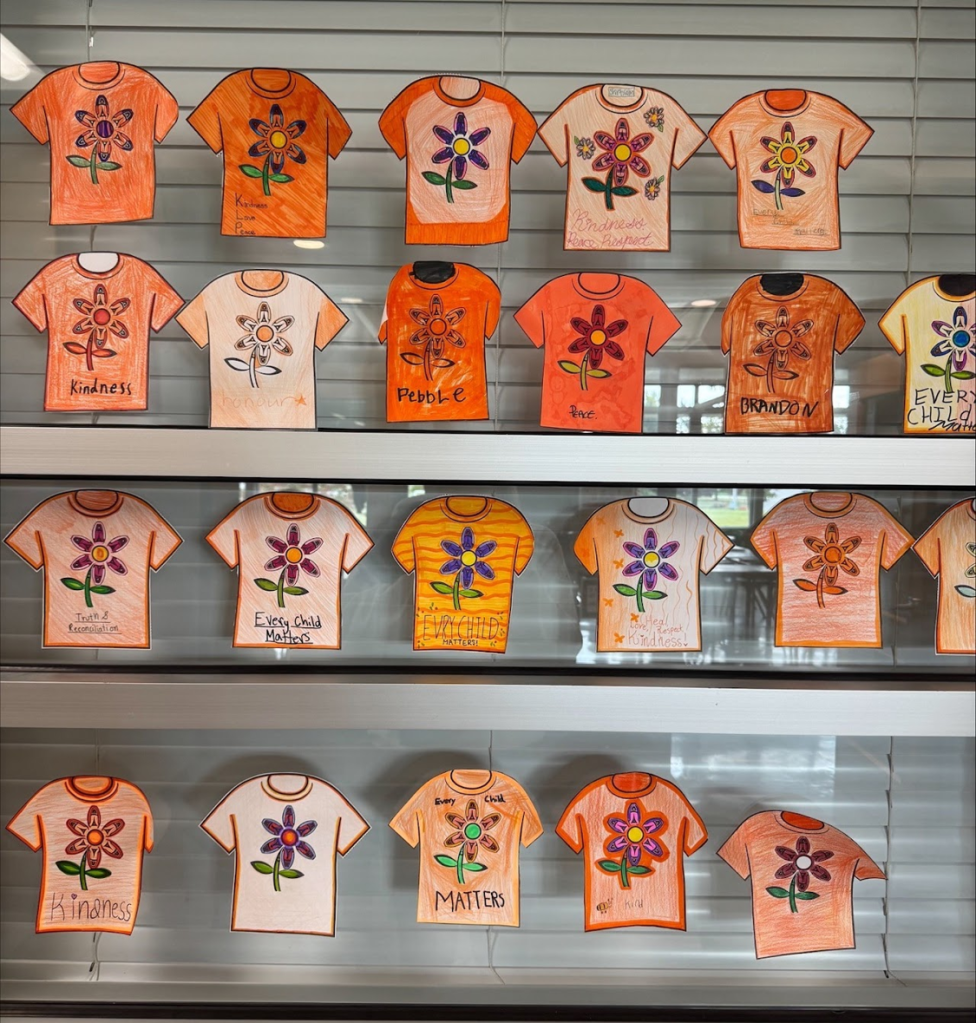
These moments matter.
They remind us that Reconciliation is not only about correcting historical misunderstandings. It is also about creating conditions where Indigenous students can thrive while maintaining a strong sense of cultural identity and belonging.
At the same time, honesty requires us to acknowledge that Reconciliation is not a destination we arrive at — it is a journey.
Sometimes progress feels visible and measurable. Other times it feels slower and behind the scenes.
There are gaps to close — learning to be done — voices that still need to be heard. There are still difficult conversations that require courage and persistence.
The reality is that Reconciliation is not the work of a department, a committee, or a handful of passionate educators. It belongs to all of us — each of us has a role to play:
- Sometimes that role involves learning.
- Sometimes it involves listening.
- Sometimes it involves speaking up.
- Sometimes it involves challenging assumptions we may have carried for years.
- And sometimes it simply means showing up with humility and a willingness to understand perspectives different from our own.
The good news is that I continue to see this happening throughout our district. And that gives me hope – real hope.
Not the kind of hope that ignores challenges — the kind of hope that acknowledges challenges while believing that improvement is possible.
Perhaps that is one of the greatest gifts education can offer. Education allows us to learn from the past without being trapped by it. It allows us to better understand one another. It helps us replace misunderstanding with knowledge, indifference with empathy, and division with connection.
Most importantly, it helps young people imagine new possibilities.
And that, perhaps, is where hope lives. Not in believing the work is finished. But in knowing that together, we are willing to continue the journey.