We’re Going to be OK

I have never experienced anything remotely similar to this pandemic in my lifetime. When I look back in time I can find The Spanish Flu epidemic from 1918-1920. It was devasting in Canada and around the world. In our country an estimated 55,000 people died — most of them between the ages of 20-40. Interestingly, coming out of WW1 Canada lost a little more than 60,000 soldiers (1914-1918).

But, there isn’t anything more recent that resembles the world-wide pandemic we are currently living within.

Military hospital at Naden (Esquimalt, BC), c. 1919. Courtesy City of Victoria Archives

Why was the Spanish Flu so devastating? Several reasons have been mentioned (such as a lack of suitable drugs and communication), but the most significant cause was a lack of adequate quarantine measures. We also didn’t have very good coordination between the various health authorities across the country.
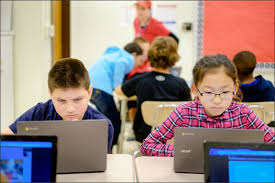
Does Technology Inhibit Positive Classroom Relationships?

If you’ve been reading my blog for a while you will recall that I’m a big fan of taking risks to make things better in our classrooms and schools. How better to show my belief in this statement than me writing about technology in our schools. It’s hard to find a more polarizing issue in the world of public education.

So, let me put it right out front — I believe in the power of technology to make a difference in student learning. Full stop.

I view technology as that tool that makes curriculum accessible to more children in more ways than if we didn’t have it available. Some examples that come to mind include:

  • e-resources that can be adapted to varying reading levels making curricular content more accessible;
  • reading intervention software that helps build neural pathways to strengthen the reading centers in the brain;
  • math programs that provide just the right amount of practice to master basic skills before moving to the next topic

Resilience – A Necessary Part of Personal Success

October 10th is World Mental Health Day (sponsored by the World Health Organization – WHO). What a great day to talk about RESILIENCE and its importance in providing students with a pathway to success.

When I went through teacher training I learned about a number things like lesson construction, effective assessments and curriculum content. We didn’t spend a lot of time learning about student resilience — in fact, I’m pretty sure it wasn’t even mentioned. And that’s probably because it wasn’t a concept being discussed among educators 30 years ago. I doubt that you could find one that incorporated it into the recipe for student success.

Resilience: The capacity to recover quickly from difficulties; personal toughness or the ability to bounce back.

What I’ve discovered over my career is that a student’s success is intimately linked to their ability to withstand disappointment, failure or setbacks. Their resilience is a critical part of their success story.